

Tibetan rhodiola


Tibetan Rhodiola
红景天Hong Jing Tian·Rhodiola du Tibet
Rhodiolae Crenulatae Radix
- Specialist suppliers based in France
- Dispatched within 24/48h, packed to order
- Kept away from light and moisture

Bu Qi 补气 气
Sweet roots, warm and neutral
Panax ginseng
Wu Qijun, Zhiwu mingshi tukao, 1848
According to the classical texts
益气活血 通脉平喘
Pinyin
Yi Qi Huo Xue · Tong Mai Ping Chuan
Overview
The root of Rhodiola crenulata, a remarkable alpine plant that grows on the high plateaux of Tibet, Qinghai and Sichuan at extreme altitudes (3500 to 5000 m).
Suited to hostile conditions (extreme cold, low oxygen pressure, intense solar radiation), the plant has developed a chemistry of its own.
Lifted in autumn from specimens several years old, the taproot, pinkish-yellow at the heart, gives off a faintly rose-like scent when cut.
A queen plant of the traditional Tibetan pharmacopoeia, taken into the modern Chinese pharmacopoeia and into the Russian tradition, where Siberian Rhodiola rosea has been particularly studied.
Traditional uses
Traditionally used by Tibetans as a companion in extreme conditions: altitude, prolonged effort, weakened constitutions.
In the modern Chinese pharmacopoeia, traditionally used to supplement the Qi of and of the Fire Phase, and to quicken the Blood.
Preparation and traditional-use quantity
- Decoction: 3 to 9 g, simmer for 25 minutes
- Infusion: 1 tablespoon in a cup, water at a simmer, 10 minutes, a subtly rose-like flavour
- Extended use: the Tibetan tradition of regular use through demanding periods
- Rhodiola crenulata / Rhodiola rosea distinction: two sister species: crenulata (Tibet) in the Chinese pharmacopoeia, rosea (Siberia/Europe) more studied in the West
Precautions
Start with a small quantity to judge how it suits you. To be kept for constitutions of emptiness seeking to build themselves back up; not for constitutions of marked fullness. If in doubt, ask a practitioner for advice.
In the same family


Red jujube (Chinese date)
大枣 · Da Zao
3,17 €


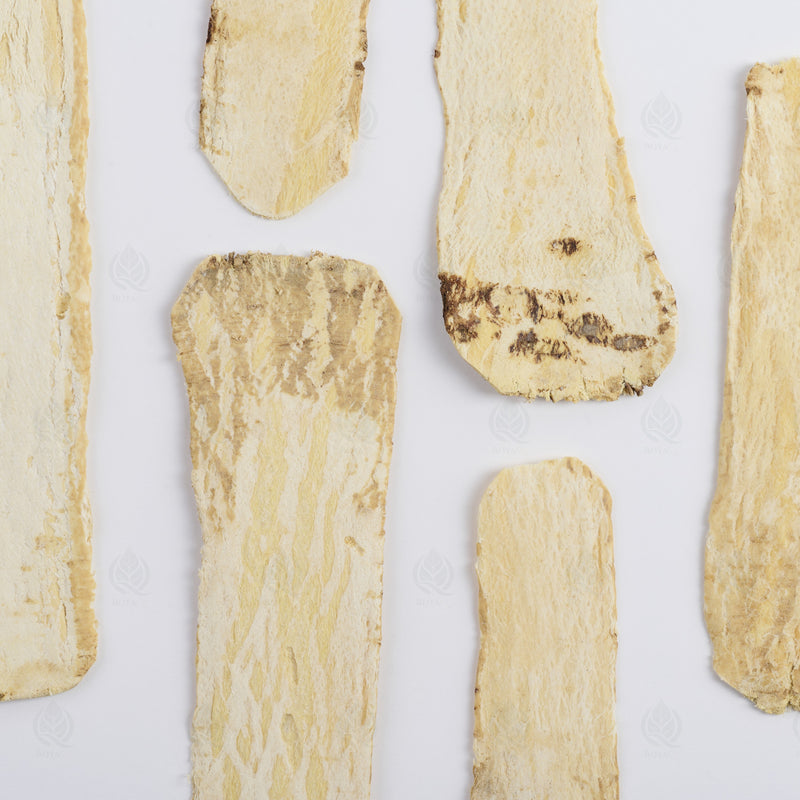


Astragalus
黄芪 · Huang Qi
From 10,00 €

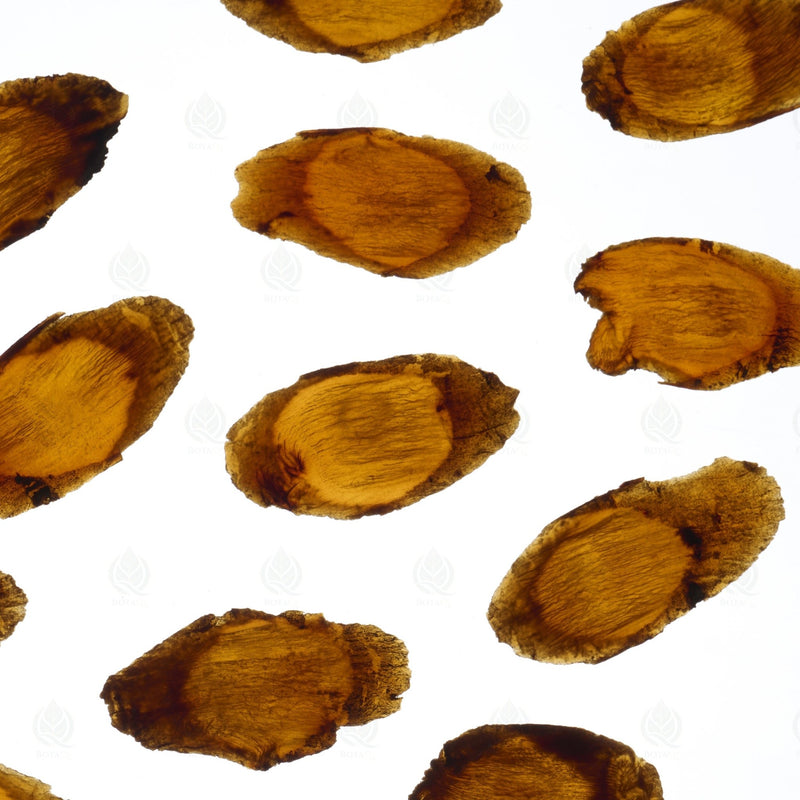

Korean red ginseng
红参 · Hong Shen
12,50 €


American ginseng
西洋参 · Xi Yang Shen
6,67 €