

Dried longan


Longan Fruit
龙眼肉Long Yan Rou·Longane séché
Longan Arillus
- Specialist suppliers based in France
- Dispatched within 24/48h, packed to order
- Kept away from light and moisture

Longane 龍眼
Dimocarpus longan
Wu Qijun, Zhiwu mingshi tukao, 1848
According to the classical texts
补益心脾 养血安神
Pinyin
Bu Yi Xin Pi · Yang Xue An Shen
Overview
The fleshy aril of the fruit of Dimocarpus longan, nicknamed “dragon’s eye” (Long Yan 龙眼) in reference to its look once the shell is removed and the translucent white pulp appears around the glossy black stone: the eye of a dragon.
Grown in southern China and in Vietnam, the fruit is picked at full maturity, then peeled and dried at low temperature, which turns its flesh into a supple, translucent brown pulp, intensely sweet.
On the border between the food and the plant of the pharmacopoeia.
Traditional uses
A mild and flavourful material of the Blood supplementing register and of the Fire Phase. Traditionally used for constitutions of deficient Blood where the Spirit (Shen) struggles to take root: restlessness at nightfall, a mind that scatters.
Particularly valued by those whom excessive brooding or mental overwork wears out, thought being held to consume the Blood.
Preparation and traditional-use quantity
- Infusion for pleasure: 10 to 15 g (about ten fruits) in a large cup, water at a simmer, 10 minutes
- Gui Pi Tang: “the decoction that brings the Earth Phase back”: a classic blend for constitutions of deficient Blood reaching the Spirit
- Mild cooking: added to sweet congee, jujube soups and traditional desserts
- To nibble: they can be eaten as they are, as a sweetmeat of the supplementing register
Precautions
Very sweet and warm: to be used in moderation in cases of settled heat, of marked Dampness, or by those watching how much sugar they take.
Its sweetness can feed food stagnation if taken to excess.
In the same family

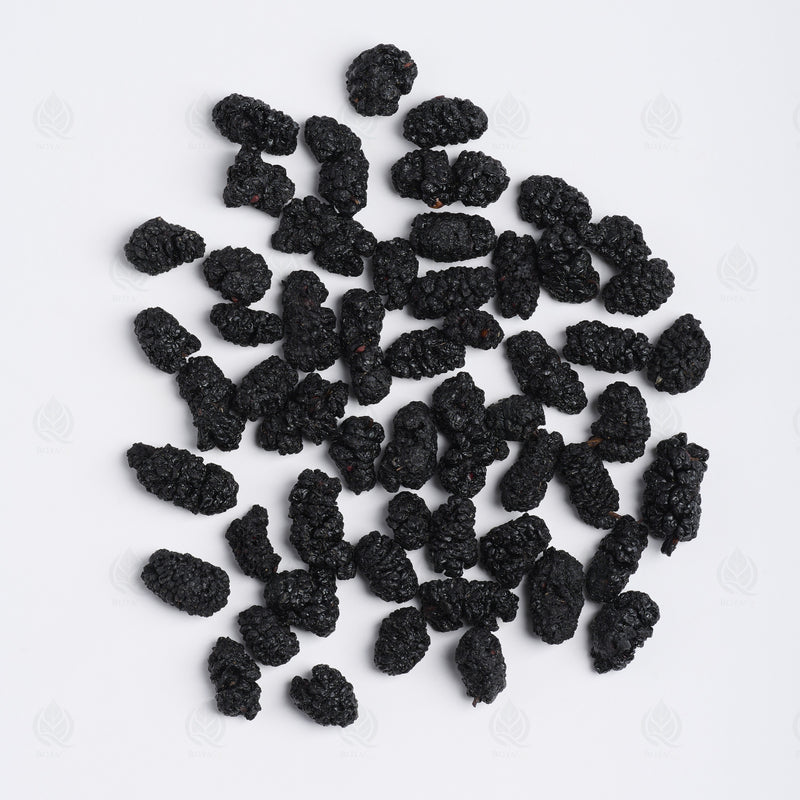

Dried mulberries (White mulberry)
桑椹子 · Sang Shen Zi
5,67 €

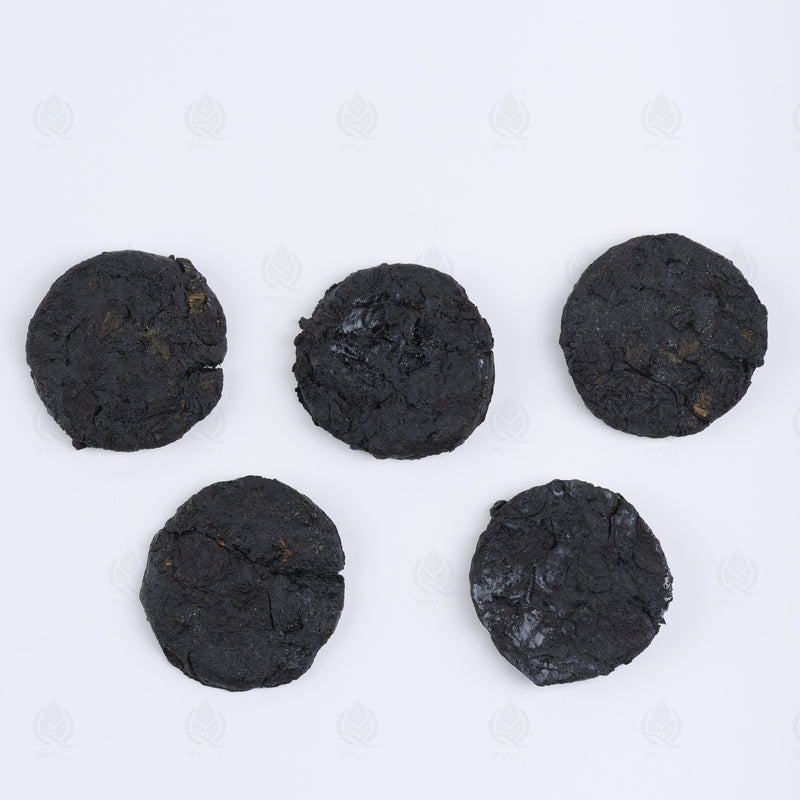

Rehmannia root (prepared)
熟地黄 · Shu Di Huang
7,50 €


White peony root
白芍 · Bai Shao
5,67 €