

Clove


Clove
丁香Ding Xiang·Clou de Girofle
Caryophylli Flos
- Specialist suppliers based in France
- Dispatched within 24/48h, packed to order
- Kept away from light and moisture

Earth Phase 土
Ziziphus jujuba
Wu Qijun, Zhiwu mingshi tukao, 1848
According to the classical texts
温中降逆 散寒止痛 温肾助阳
Pinyin
Wen Zhong Jiang Ni · San Han Zhi Tong · Wen Shen Zhu Yang
Overview
The clove is the dried flower bud of Syzygium aromaticum, a tropical tree native to the Moluccas but grown in South-East Asia as well.
Picked just before opening, sun-dried, these small dark nails give off an extremely powerful and intensely aromatic scent, rich in essential oils.
The Chinese name Ding Xiang means literally “nail-shaped fragrance”.
Traditional uses
One of the hottest and most aromatic herbs of the pharmacopoeia. Traditionally used to warm the median sphere powerfully when cold blocks the even descent of the Qi. The tradition also attaches it to the Yang of Water.
Preparation and traditional-use quantity
- Decoction: 1 to 2 g (small quantities, a very concentrated herb), simmer for 15 minutes
- Powder: 0.5 to 1 g, to be stirred into a little lukewarm water or added to a preparation
- External use: the essential oil, diluted, applied locally for Cold and tight constitutions
- Spiced cooking: 1 to 2 cloves in a chai tea or a spiced mulled wine, a winter tradition
Precautions
Naturally contains methyleugenol and estragole. Not recommended for children, adolescents, or women who are pregnant or breastfeeding. Do not exceed the quantity of use indicated.
A very hot herb: to be strictly avoided in cases of settled heat, of deficient with empty heat, or of constitutions marked by dryness.
Classical antagonism with Yu Jin, under the tradition’s “eighteen incompatibilities”.
In the same family


Dried ginger
干姜 · Gan Jiang
6,50 €

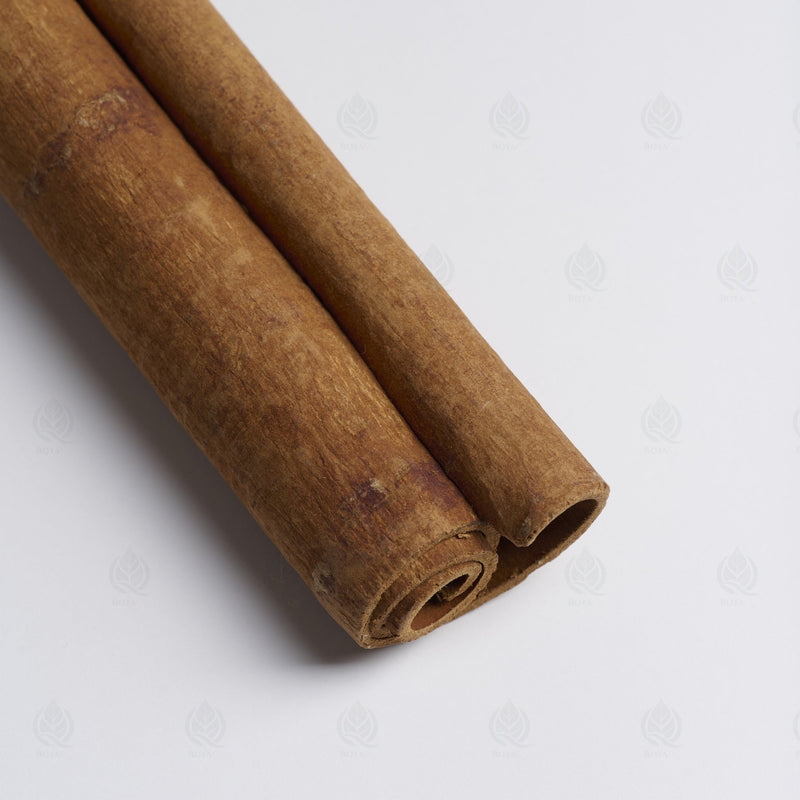
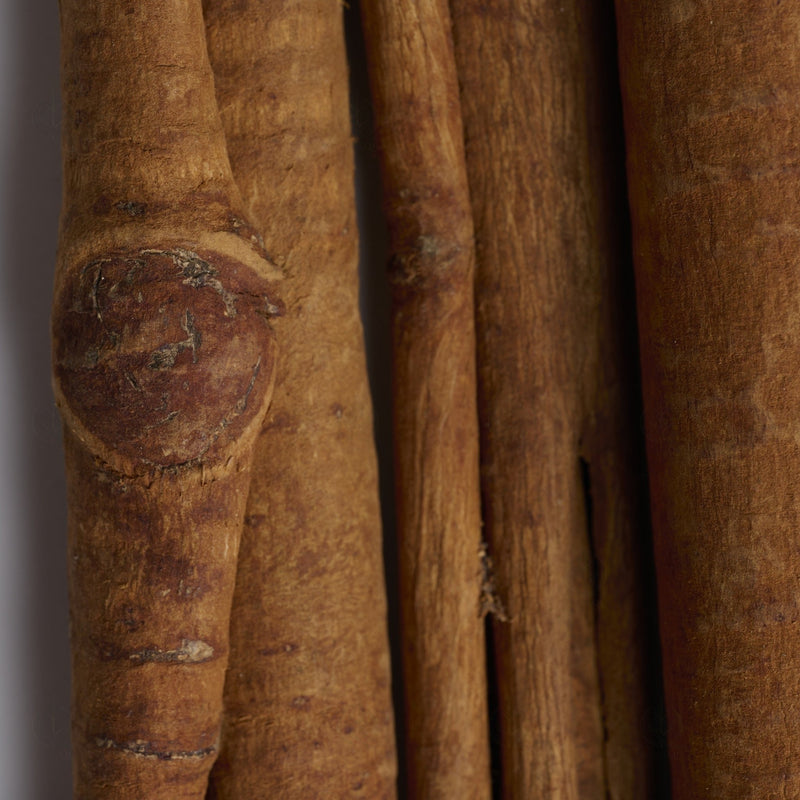
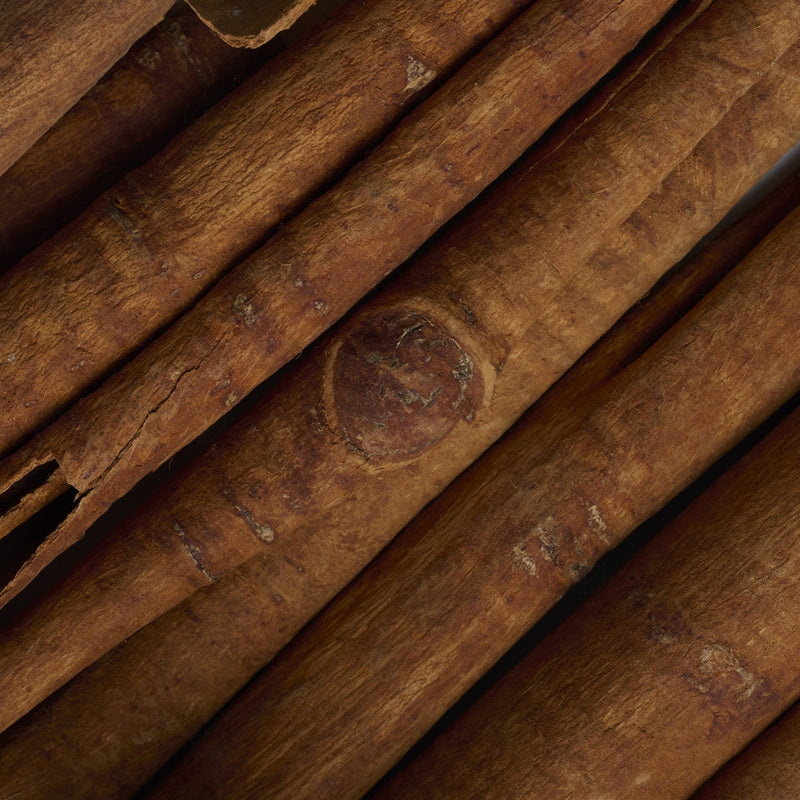

Chinese cinnamon bark
肉桂 · Rou Gui
6,67 €

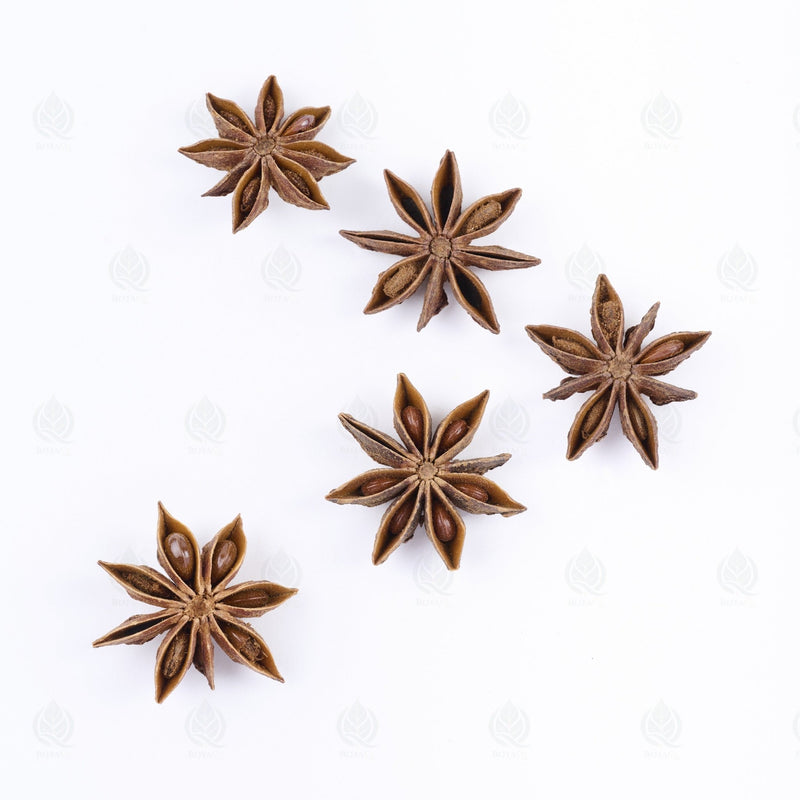
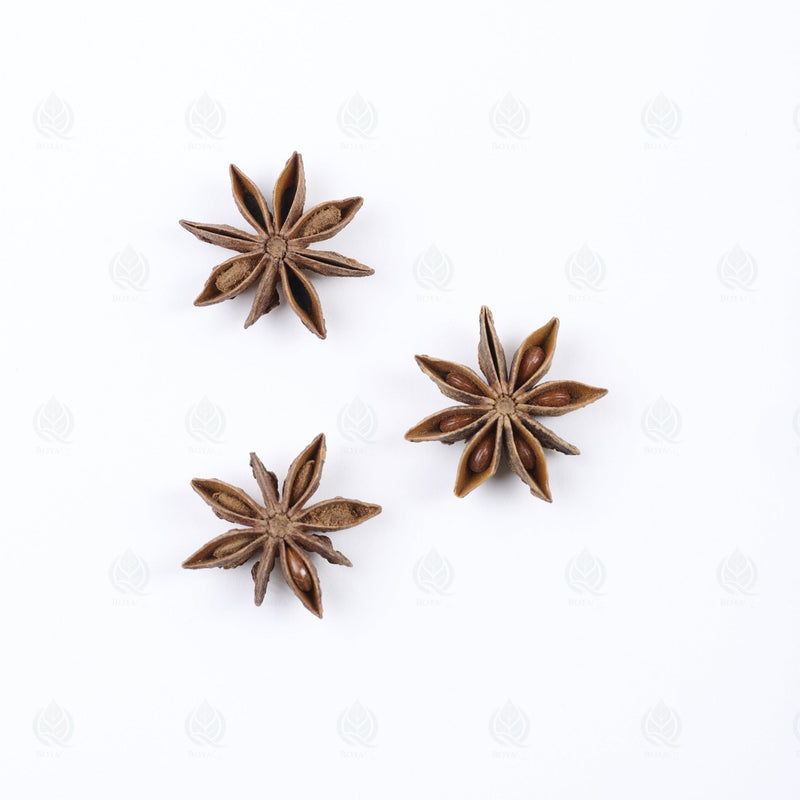

Star anise
八角 · Ba Jiao
3,33 €


Sichuan pepper
花椒 · Hua Jiao
6,67 €